CHNV TECHNOLOGY CO., LTD.
Focusing on CHNV's latest updates and sharing our growth story
Innovative Materials · Green Chemistry · A Sustainable Future Together
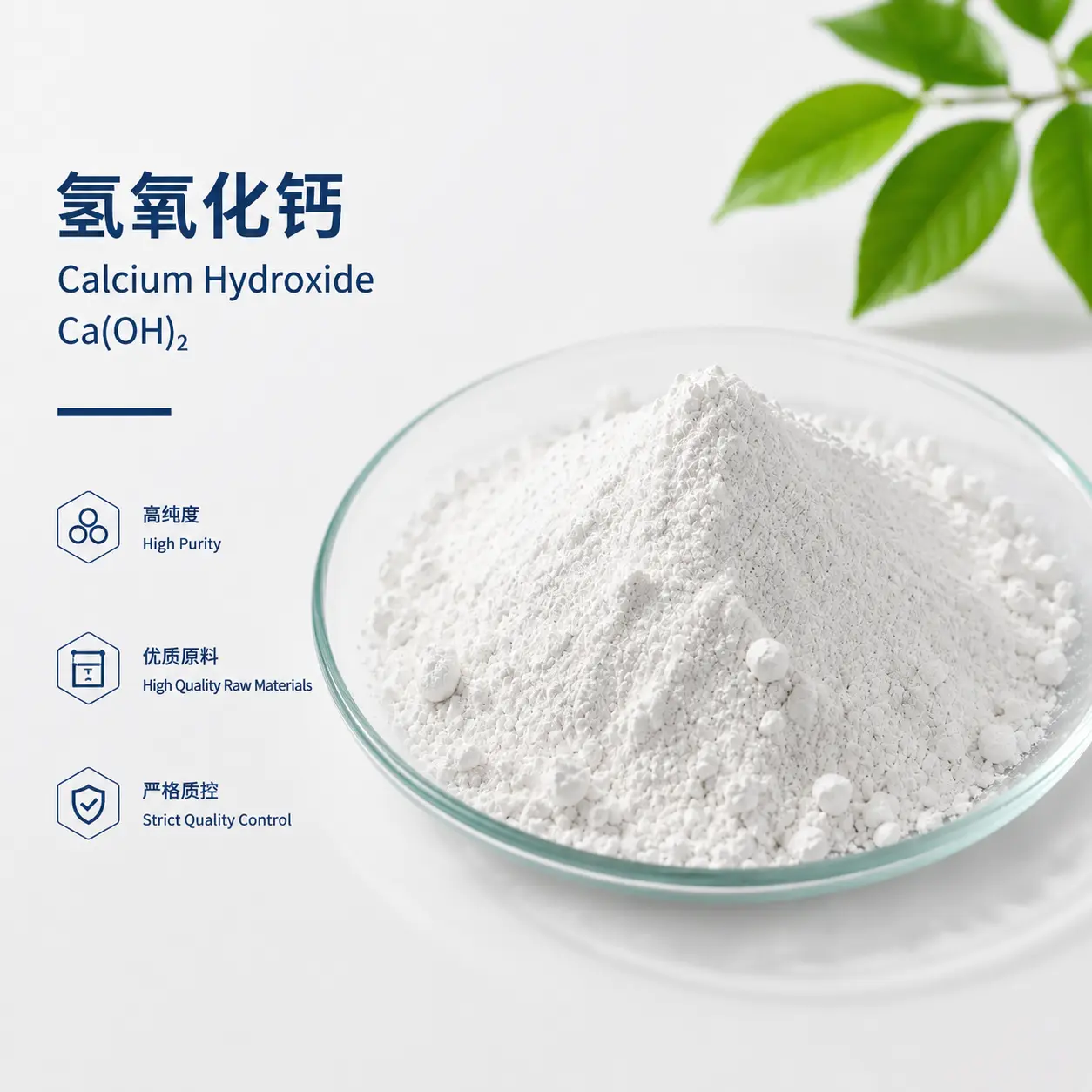
CHNV is expanding its calcium-based materials portfolio with four calcium hydroxide grades: GH65, FM100, FM300, and FM700. With differentiated specifications for purity, whiteness, fineness, and impurity limits, these products offer material selection options and technical support for industrial applications including lubricating greases, building materials, and metallurgy.

Domestic substitution of calcium hydroxide is not a simple model replacement, but a re-comparison of indicator systems. Only by clarifying the basis, methods, limits, and batch data, and then confirming through small-scale and mass-production validation, can the substitution process be truly controllable. To learn more about Hanwei Technology’s calcium hydroxide specifications, technical data, or sample arrangements, please contact us through the official website product page (https://www.gdchnv.com/zh/products/detail/calcium-hydroxide) or the contact page. We can provide indicator comparison and model selection support based on the customer’s current grade and process conditions.

A common mistake in the process of replacing imported calcium hydroxide with domestically produced alternatives is mistaking "finding a domestic material with similar test values" for a complete replacement. In reality, similar laboratory indicators only address the initial screening at the data level; true replacement requires verification through application performance, production line compatibility, multi-batch stability, supply continuity, and quality agreements. Missing any link in this chain can lead to issues such as color fluctuations, decreased reaction efficiency, increased residue, equipment malfunctions, or batch disputes after scaling up production.

Selecting "high-purity calcium hydroxide" involves more than just looking at the numerical value of the Ca(OH)₂ content. For industrial users, the true value of high-purity material lies in meeting process requirements for the main component, controlling application-critical impurities, ensuring consistency in testing methods and reporting, and maintaining stable delivery across batches. Relying solely on peak figures from marketing materials can lead to overlooking the practical impact of carbonates, moisture, insoluble matter, iron, and other elements.